OSU
KIMETraditional Shotokan Karate
No padding. No shortcuts. No apology.
Scroll
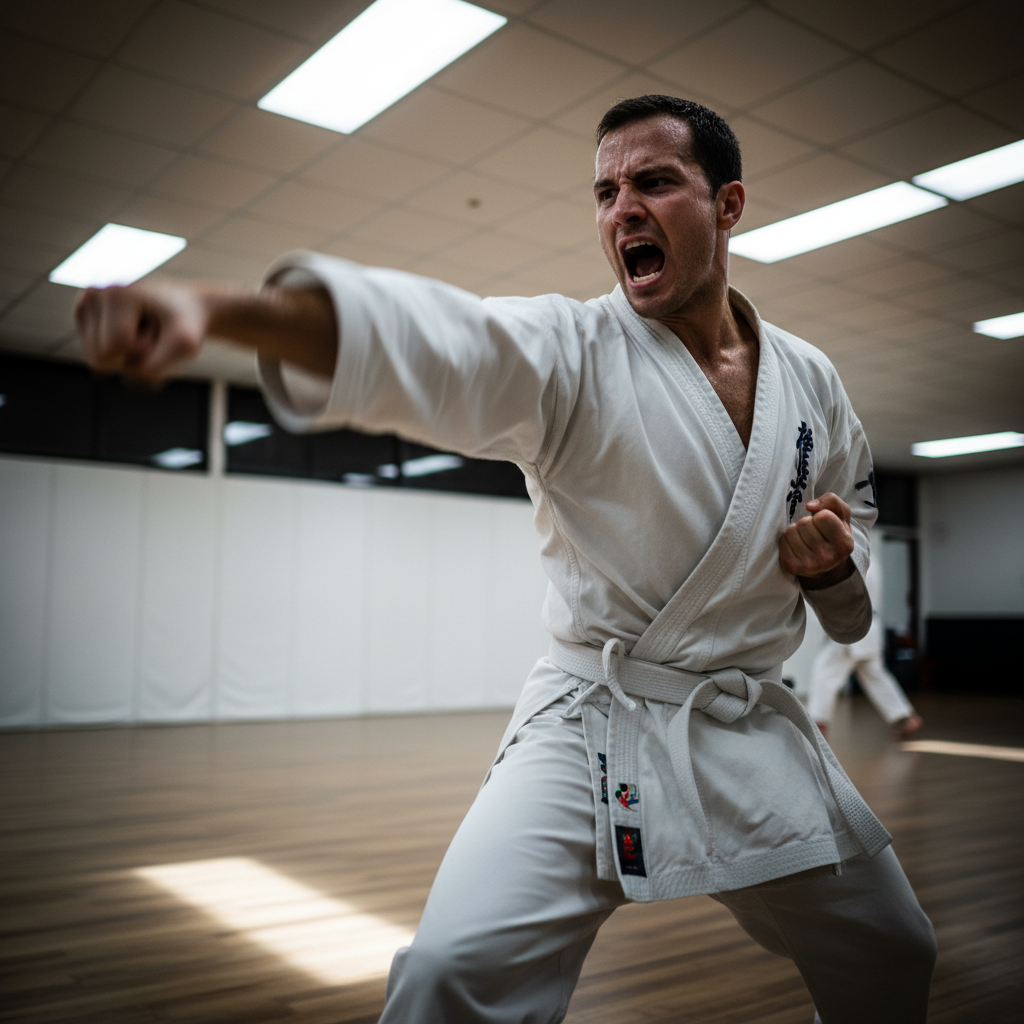
No padding. No shortcuts. No apology.
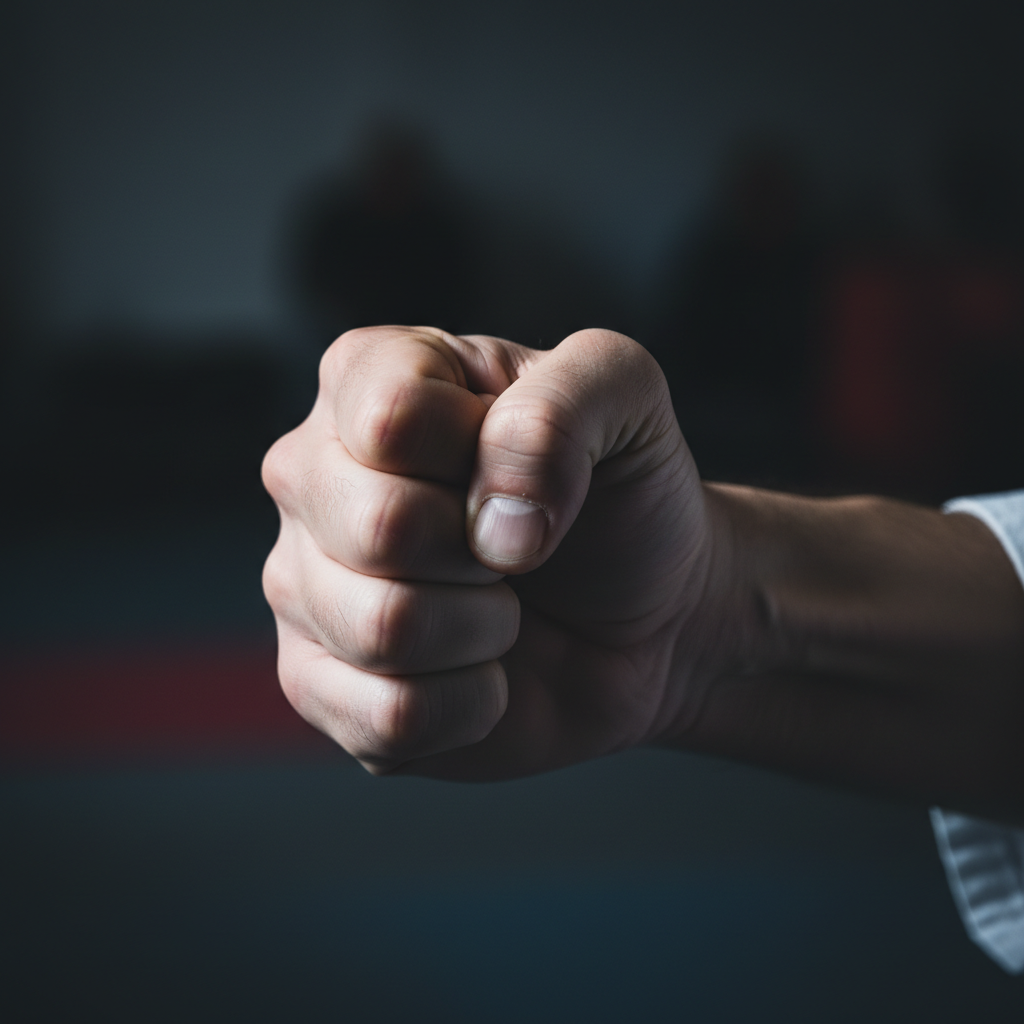
January grading. The dojo is cold. The examiner's clipboard doesn't move. Fifteen students kneel in seiza waiting for their name. White knuckles. Controlled breath. This is where rank means something — because you earned it in front of people who don't hand it out.
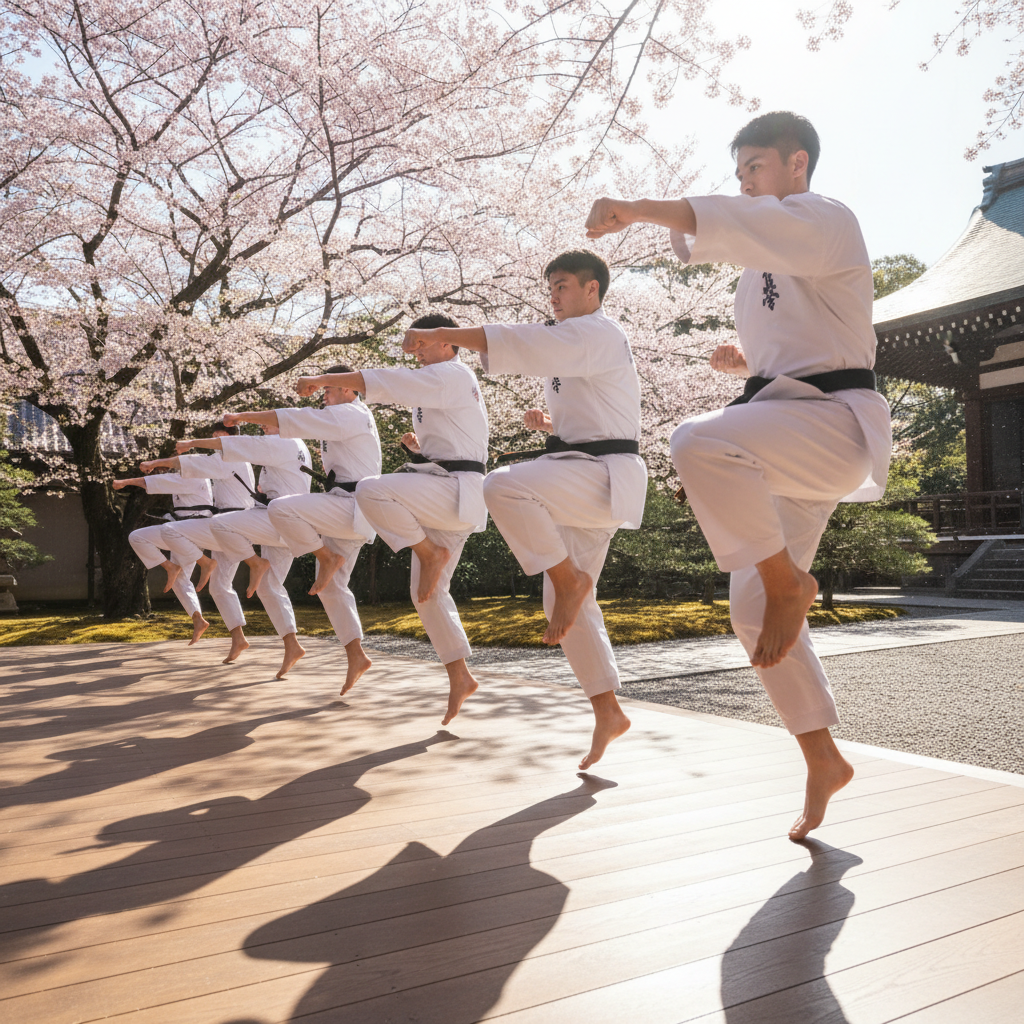
April through June. Regional circuits, national qualifiers. The team kata squad trains Saturday mornings while the city sleeps. You don't have to compete — but those who do come back different. Quieter. Harder. More precise. The floor at Kime produces fighters who place.
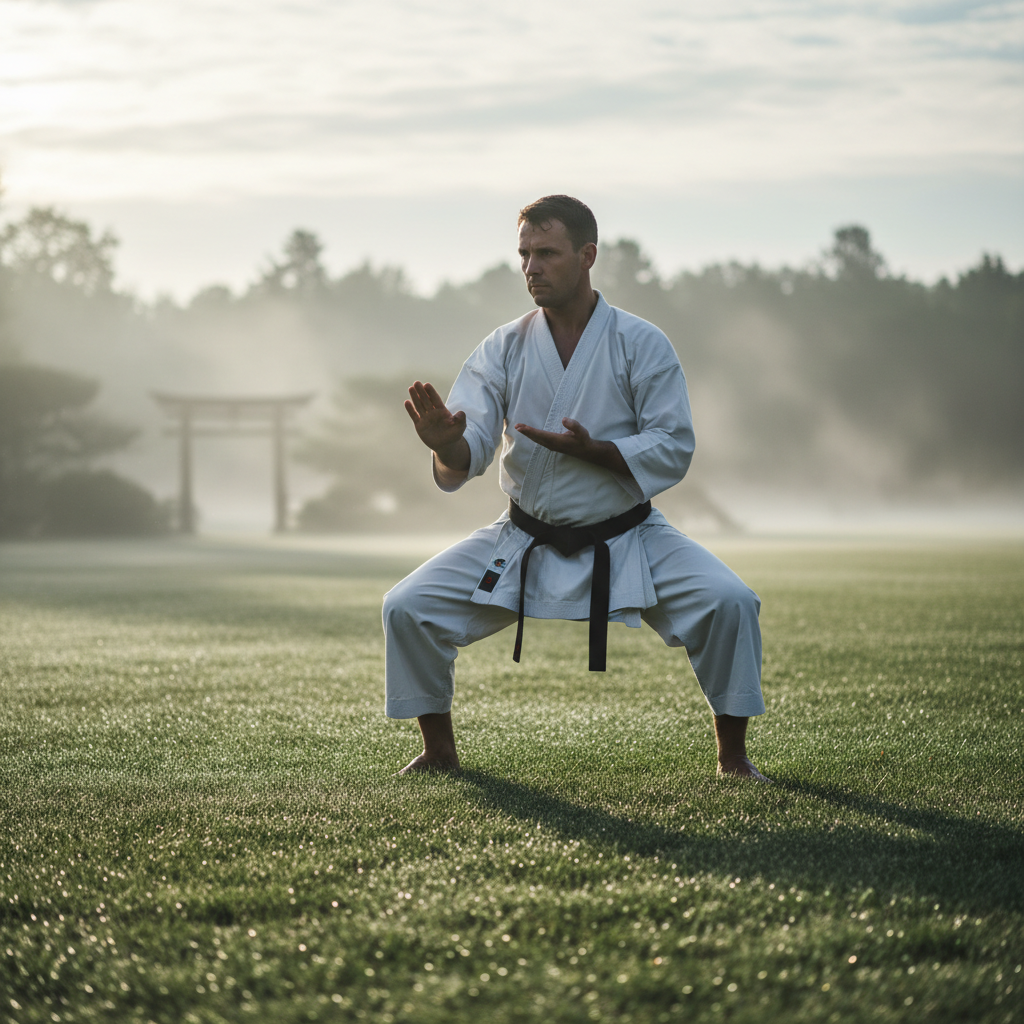
August. Residential camp. 5 AM kihon before breakfast, kumite sparring through the afternoon heat. Instructors who've done thirty of these. No phones. No excuses. Students who attend gasshuku don't train like the same people after.
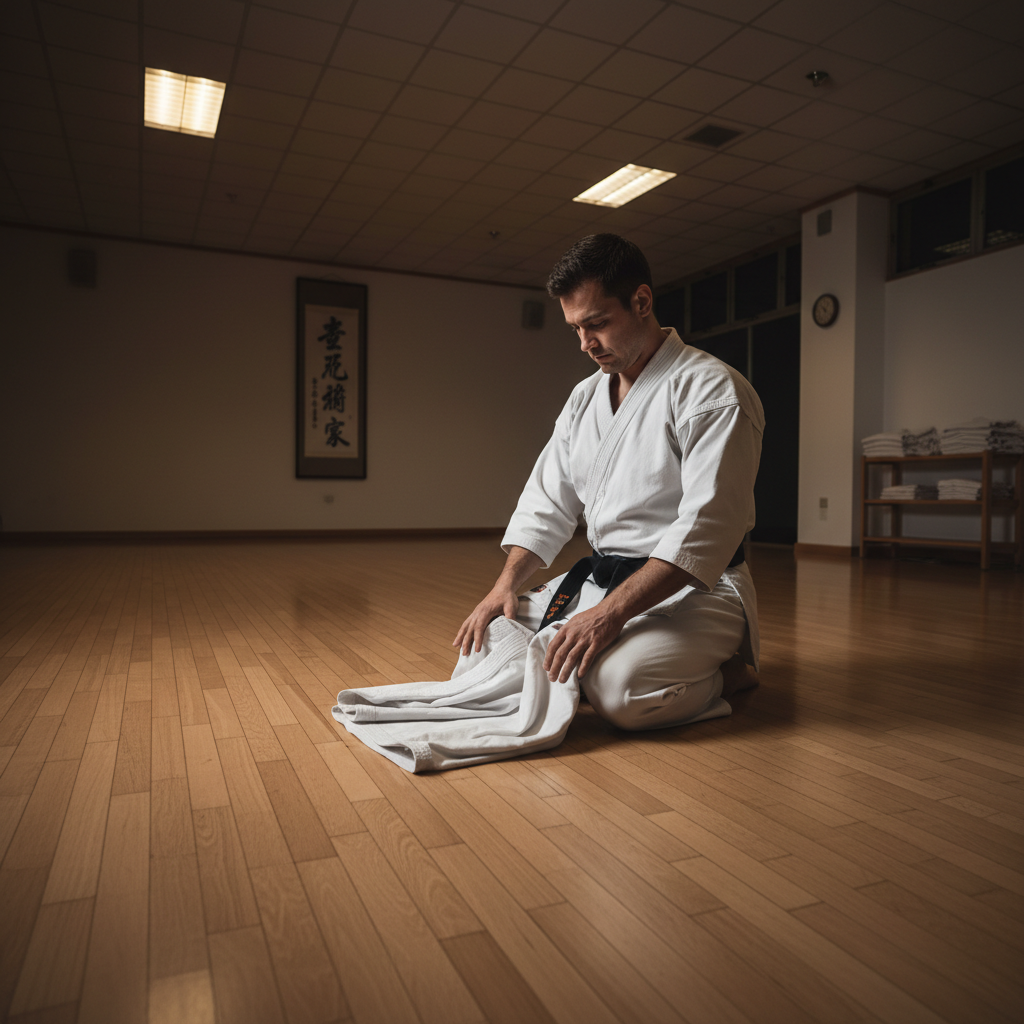
October. The competition season is over. The dojo is quiet on a Thursday night. One black belt folds their gi on the bench — the same bench they've used since 1998. They'll be back Monday. They've always come back. This is the year you start that.
"The floor doesn't care about your schedule.
It cares about whether you showed up."